
Addiction Counseling in Bristol
Finding Support with Addiction
Struggling with addiction can be a lonely and overwhelming experience. Whether it involves substances like alcohol or drugs, or behaviours like gambling, food, or internet use, the impact can affect every part of your life — from your health and relationships to your confidence and mental wellbeing.
Here at Heart To Heart, we provide addiction counselling in Bristol that is non-judgemental, affordable and rooted in compassion. Whether you’re just starting to explore the idea of change, or already on a recovery journey, our service is here to support you at your own pace.
The Emotional Impact of Addiction
Addiction rarely exists in isolation. It’s often a response to emotional pain, stress, trauma, or unmet needs — and over time, it can lead to even more distress. You may be experiencing:
- Guilt, shame, or low self-esteem
- Anxiety or depression
- Conflict with family, friends or partners
- Struggles with work, finances or routine
- A loss of control or fear of judgement
- Feeling stuck, exhausted or alone
These experiences are valid. Our counsellors understand that addiction is not a moral failing — it’s a sign that something deeper needs care and attention.
What to Expect from Addiction Counselling
Our addiction counselling in Bristol offers a calm, confidential space where you can speak openly about what you’re going through. Sessions are shaped around your needs, and may focus on:
- Understanding what’s behind your addictive patterns
- Exploring emotional triggers and coping strategies
- Processing past experiences or trauma
- Rebuilding confidence and motivation
- Reducing harm and avoiding relapse
- Identifying your values and goals
There is no single path to recovery — and no pressure to define success in a particular way. Therapy is about creating space to reflect, feel supported, and move forward in a way that feels right for you.
You don’t have to face addiction alone
Who We Support
Our team has experience supporting people with many forms of addiction, including:
- Alcohol misuse
- Drug use (prescription or non-prescription)
- Gambling
- Compulsive eating or food-related concerns
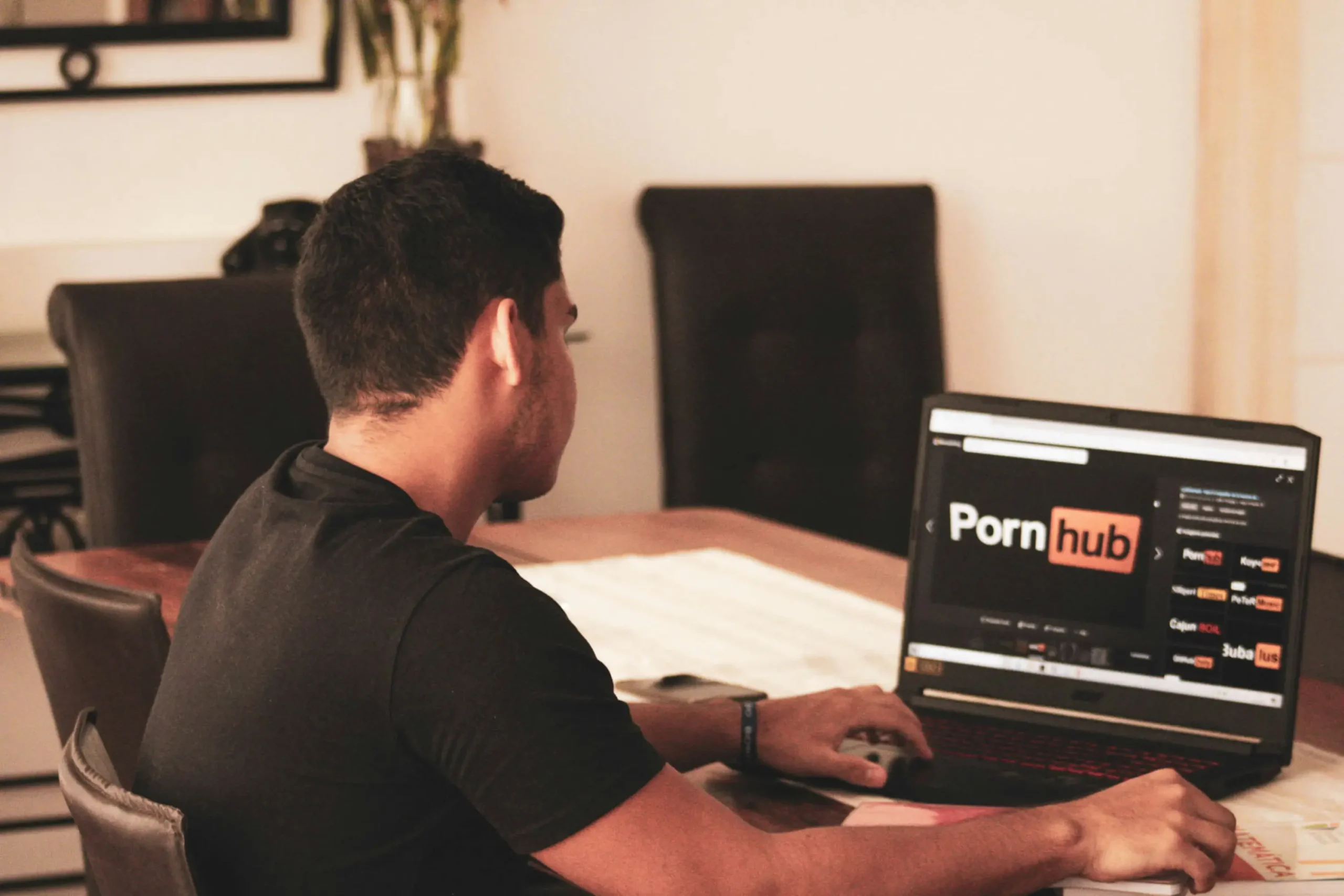
- Porn or sex addiction
- Overspending or online shopping
- Internet or phone use
- Repetitive self-soothing behaviors
You don’t need a diagnosis or a specific label to access support. If something feels unmanageable, or is interfering with your life, that’s enough.
Counselling That Goes Beyond the Behavior
Our approach recognises that addiction is often part of a wider picture. You might wish to talk about:
- Relationship difficulties
- Grief or loss
- Past trauma or childhood experiences
- Identity, self-worth or shame
- Managing work, study, or daily stress
- Finding meaning and purpose beyond addiction
Counselling is a space for all of you — not just the parts you may be struggling with. We are here to listen and support without judgement.
Inclusive and Accessible Support
We aim to make counselling welcoming and accessible for everyone. Our service offers:
- Affordable, donation-based counselling
- No long waiting lists
- In-person or online appointments
- Flexible session times, including evenings
- Wheelchair-accessible rooms
- LGBTQ+ inclusive, neurodiversity-aware, and trauma-informed support
We understand that experiences of addiction can be shaped by culture, identity, and social pressures. Our counsellors work with care, respect and curiosity to understand your world.
Why Choose Heart To Heart?
- Experienced Bristol-based counselling team
- Specialist understanding of addiction and recovery
- A gentle, human approach that puts you at ease
- Fully qualified and insured counsellors
- Confidential, calm and supportive environment
- Flexible options to suit your needs
Whether you’re ready to make a change or simply want to talk, we’re here to help you take the next step — on your terms.
Begin Your Journey
If you’re looking for addiction counselling in Bristol, Heart To Heart offers a space to talk, reflect and heal. You don’t have to have everything figured out — and you don’t have to go through this alone.
Reach out today to learn more about our addiction therapy service, or to arrange a confidential chat with one of our counsellors.
We’re here to walk alongside you, one step at a time.
FAQs
Can counselling help with addiction?
Counselling can help you understand the emotions, experiences and triggers connected with addictive behaviour. It may support you to notice patterns, reduce harm, develop different ways of coping and work towards goals that matter to you. The process is collaborative and non-judgemental, whether you are beginning to question a behaviour or are already in recovery.
Do I need to be abstinent before starting addiction counselling?
No. You do not need to have stopped drinking, using a substance or engaging in a behaviour before you ask for counselling. You can begin from where you are. Your counsellor can help you explore your relationship with the addiction, your readiness for change and what feels realistic, without using shame or imposing a single definition of recovery.
What types of addiction can counselling support?
Addiction counselling may support concerns involving alcohol, drugs, gambling, spending, food, pornography, sex, gaming, internet use or other repetitive behaviours that feel difficult to control. You do not need a formal diagnosis. If a pattern is affecting your health, relationships, finances, work or emotional wellbeing, it is reasonable to ask whether counselling could help.
What if I am not sure that I want to change?
Ambivalence is common, and you do not need to arrive with a firm decision. Counselling can give you an honest space to consider what the addiction provides, what it costs you and what you might want to be different. Your counsellor will not force a goal on you. Change can be explored gradually and at a pace you can manage.
Does addiction counselling replace detox or medical treatment?
No. Counselling provides emotional and psychological support, but it does not replace medical assessment, supervised detox or specialist drug and alcohol treatment. Stopping some substances suddenly can carry health risks. If you are concerned about withdrawal, medication or your physical safety, speak to a GP or an appropriate medical service as well as seeking counselling.