
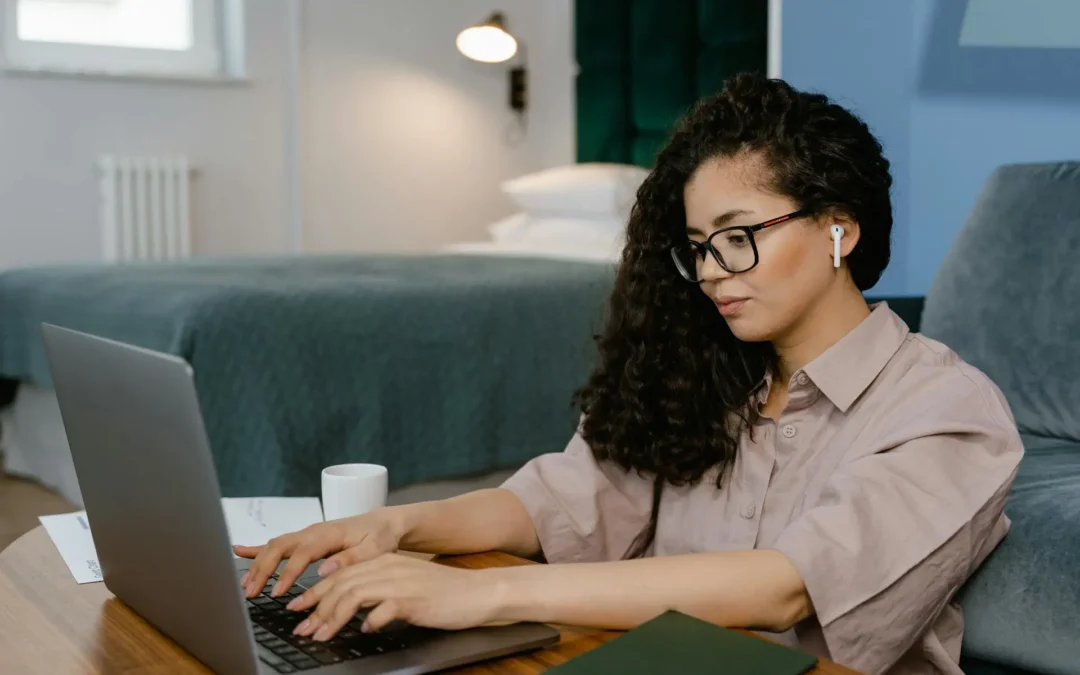
A Guide to Remote Counselling: How It Works and What to Expect
Remote counselling has become an increasingly popular method for people to access therapy in a flexible and comfortable way. Instead of travelling to a clinic or office, you can connect with a counsellor through video calls, phone conversations or secure online platforms. This approach makes professional mental health support more accessible, particularly for those with busy schedules, mobility challenges or who feel more at ease in their own surroundings.
In this guide, we’ll explore what remote counselling involves, why people choose it, the benefits and challenges, and what you can expect from your first session.
Understanding Remote Counselling
Remote counselling, sometimes referred to as online or virtual counselling, is a therapeutic service delivered without face-to-face contact. Sessions typically take place via video conferencing software such as Zoom or Teams, but can also be carried out over the phone or through specialist counselling platforms.
The process is very similar to in-person therapy. You speak with a trained professional who helps you explore your thoughts and feelings, work through challenges and develop coping strategies. The main difference is the setting. Rather than travelling to a counselling room, you can engage with therapy from home, at work, or another private space.
The NHS recognises the role of talking therapies, including those delivered online, in supporting a wide range of mental health needs. You can read more about this in their guidance on NHS talking therapies.
Why People Choose Remote Counselling
For many people, the appeal of remote counselling lies in its flexibility. You can schedule appointments around your daily life, reducing the stress of fitting therapy into a busy week. This is especially valuable for parents, carers and professionals who may find it difficult to travel.
Remote counselling also removes geographical barriers. Someone living in a rural area or with limited access to local services can still connect with a qualified counsellor. Similarly, people with mobility issues or chronic illnesses may find it easier to engage with therapy when travel is not required.
The pandemic showed how effective therapy online can be, and many people have continued with this format even when in-person services became available again. The option to choose between online and in-person counselling gives clients more control over how they access support.
If you are struggling with anxiety, for example, remote sessions can be a gentle first step. Our anxiety counselling services explain more about how therapy can support you.
How Remote Counselling Sessions Work
A typical remote counselling journey begins with booking an appointment through a website or by phone. Once confirmed, you’ll be given instructions on how to join the session. This may include a secure video link or details of a phone call.
Before the first session, it helps to prepare a quiet, private space where you feel comfortable. Having headphones can improve sound quality and add a sense of privacy.
Many people also find it useful to keep a notepad nearby to jot down reflections.
During the session, your counsellor will invite you to share your concerns, explain what has brought you to therapy, and explore your goals. Just like in-person sessions, everything is confidential. Counsellors working online follow the same ethical frameworks as those meeting face-to-face.
Some clients wonder whether a remote format can feel as personal as sitting in the same room. While the experience is slightly different, many find that speaking from home allows them to open up more easily. The British Association for Counselling and Psychotherapy provides further guidance on how online counselling works.
The Benefits of Remote Counselling
Remote counselling offers a range of benefits that make it a valuable option for many people.
- Privacy and comfort: Talking from a familiar space can make it easier to share personal feelings.
- Convenience: No travel means less time off work or rearranging family life.
- Choice of counsellor: You can connect with therapists who may not be based locally.
- Accessibility: People living in rural or underserved areas can still access professional help.
Compared with face-to-face therapy, remote counselling can feel less intimidating at first. It allows people to build trust gradually without the pressure of travelling to a new environment.
For those experiencing depression, accessing help quickly can be an important step. Our depression counselling services provide further insight into how remote support can make a difference.
Challenges and Considerations
Remote counselling is not without challenges. One of the most common barriers is technology. If your internet connection is unreliable, video calls can be disrupted. Setting up in a private and quiet space is also important, as background noise or interruptions can affect the flow of the session.
Some people find that the lack of physical presence makes it harder to read body language or feel fully understood. While counsellors are trained to pick up on tone, pauses, and subtle cues, the dynamic is not identical to being in the same room.
It is also worth remembering that therapy online requires commitment to creating an environment where you feel safe to talk. That might mean asking family or housemates not to disturb you during the session.
For more support and advice, Mind offers a useful overview of online therapy.
Who Remote Counselling Can Support
Remote counselling can support people from all walks of life. It is effective for a wide range of concerns, including anxiety, depression, stress, trauma, and grief. It is also valuable for those experiencing challenges in relationships, at work, or with self-esteem.
Couples often benefit from remote sessions as they can attend from different locations, reducing the difficulty of scheduling. This flexibility means that therapy can continue even if one partner is away for work or living in another city.
Our couples counselling services provide more detail on how relationship therapy can be tailored to your needs.
What to Expect in Your First Session
The first session is usually an opportunity to get to know your counsellor and discuss what you hope to achieve. You may be asked about your background, current challenges, and what has led you to seek support. The counsellor will explain how confidentiality works and answer any practical questions you may have.
It is normal to feel nervous before a first appointment, whether online or in person. Remember that therapy is a safe space where your feelings are respected. You are free to go at your own pace, and you do not have to share everything straight away.
Taking the First Step
Deciding to begin counselling is a personal choice that takes courage. If you feel that remote counselling might help, the next step is to explore your options and consider what type of support feels right for you.
At Heart To Heart, we offer confidential online sessions for individuals and couples. If you would like to find out more, you can refer yourself through our secure online form. This is a simple way to take the first step toward support and begin your journey at a pace that feels right for you.